11 AIA CEUs (7 for Saturday, 4 for Sunday)
Architecture and design are collaborative arts. And often, female/male partnerships have driven innovation, blending distinct viewpoints to reshape how we experience the world. Historically, design duos, like Charles and Ray Eames pioneered mid-century modern living, while Walter Burley Griffin and Marion Mahony Griffin brought a visionary organic approach to international city planning. Antonin and Noémi Raymond seamlessly blended Western modernism with Japanese craft, just as the iconic Finnish practice of Alvar Aalto relied on his deep, consecutive partnerships with Aino and Elissa Aalto. And Denise Scott Brown and Robert Venturi fundamentally altered urban theory and how architecture functions symbolically and socially. While history has often unfairly credited the male partners alone, these relationships reveal deeply integrated ways of working in which philosophy and execution were entirely shared, proving that our most enduring creative achievements come from a union of minds.
This Symposium will celebrate the creative process in a day of presentations and lectures on historic and contemporary collaborations between couples (husband & wife, and others) in the arts, design, and architecture. Special emphasis will be on the women’s essential roles in design, research, and leadership roles, which have often been overshadowed in past and even current histories. Artists and scholars will share presentations, followed by a Q&A Panel Discussion.

This program will be in collaboration with the Nakashima Woodworkers. Special thanks to Bucks County AIA and Philadelphia AIA Women in Architecture.
This event is geared towards professional artists and designers, curious minds, enthusiasts, and the general public. All are welcome.
Looking for lodging? https://www.visitbuckscounty.com/places-to-stay/
Collaborations & Their Presenters
“Just as working collaboratively is a central tenet of architectural practice, the act of disentangling the threads of a consequential creative endeavor remains a core objective for the architectural historian”— William Whitaker
Antonin Raymond, Noémi Pernessin, and the Inside Story of Commission #1345
William Whitaker
University of Pennsylvania
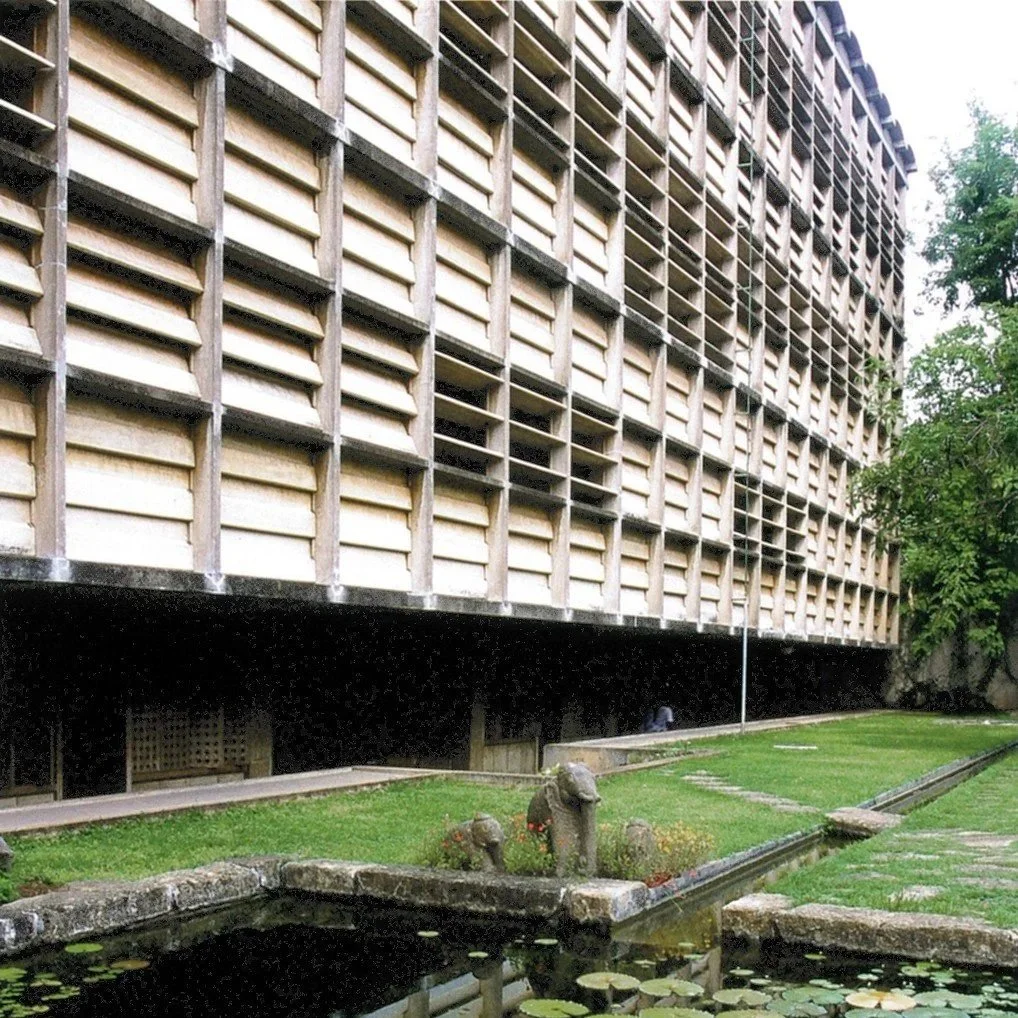
The lives and work of Antonin Raymond and Noémi Pernessin are interlaced by marriage and family, by shared values in design, and through the extraordinary times, places, and people who shaped their experiences and production. As an architect and as a designer working first for Frank Lloyd Wright, the Raymonds developed through their eighteen years practicing in Japan a model of collaboration and exchange, both personal and intercultural, that produced over 350 designs ranging from private houses and industrial sites to clubs and embassies. No project better represents the dynamic environments that the Raymonds worked within than commission #1345, a dormitory building for the disciples of the Hindu mystic Sri Aurobindo in Pondicherry, French India. The surviving archival records for this commission provide a unique platform for exploring the theme of collaboration as it relates to the Raymonds, the contours that gender roles had in shaping their work, and - in a larger sense - how they used these experiences to draw out the salient factors essential to making a great work of architecture.
The Unknown Craftsman of the Nakashima Woodworkers
Mira Nakashima & Jonathan Yarnall
The Nakashima Woodworkers
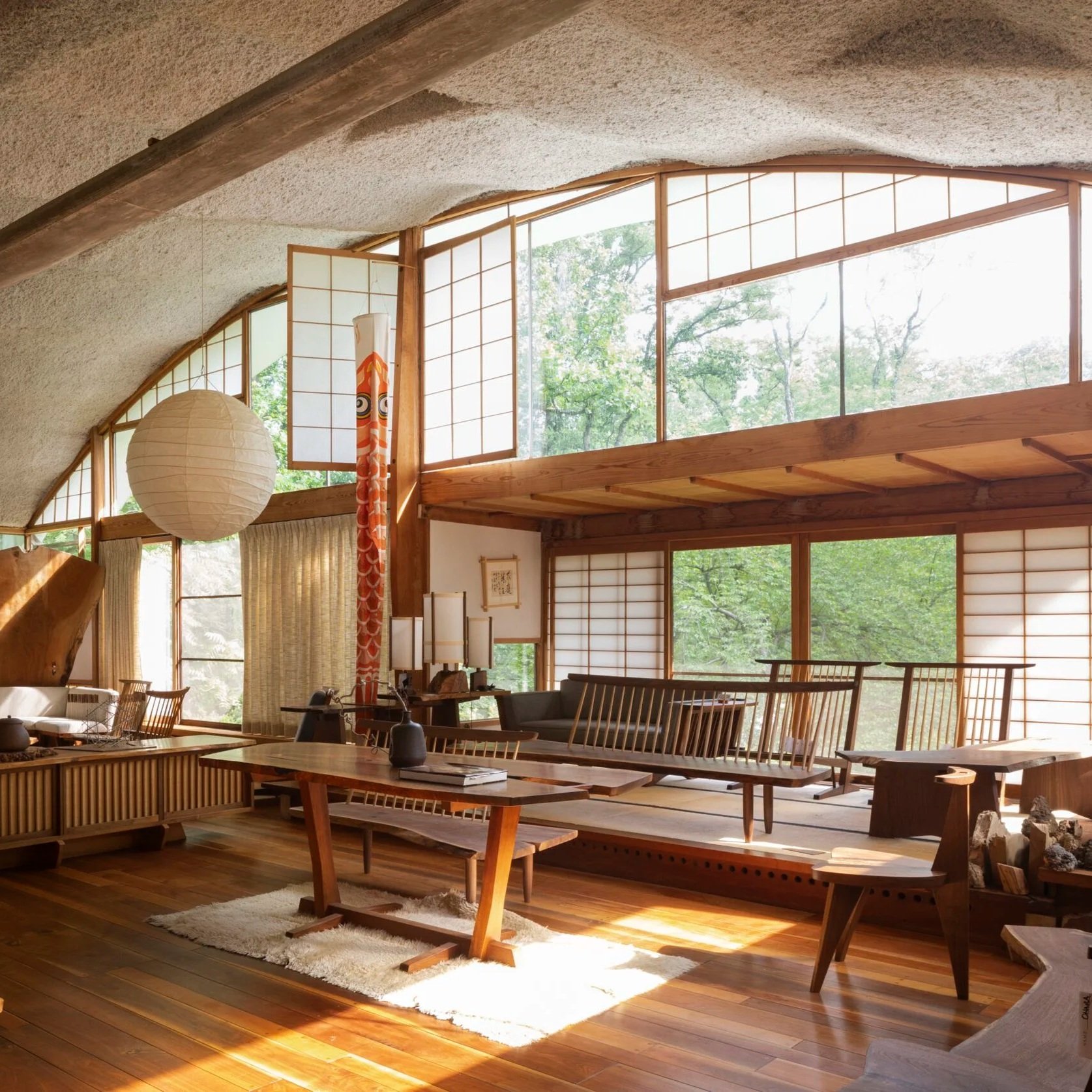
Soetsu Yanagi’s famous 1972 book, The Unknown Craftsman, champions selfless devotion to functional art, where the artisan surrenders individual ego to honor the material's inherent spirit. George Nakashima and the Nakashima Woodworkers embody this philosophy, seeing themselves not as dominant creators but as humble stewards serving the wood's natural character. By elevating the tree's raw essence above artistic vanity, their craft transforms traditional woodworking into a timeless spiritual discipline.
Mira Nakashima and Jonathan Yarnall will discuss the Nakashima Woodworkers team's deep collaborative process and the people behind some of the world's most remarkable handcrafted furniture and art pieces. Since George’s passing in 1990, Mira Nakashima and Jonathan Yarnall have worked to preserve not only George’s iconic woodworking legacy, but also the process and metaphysical/spiritual philosophy behind it.
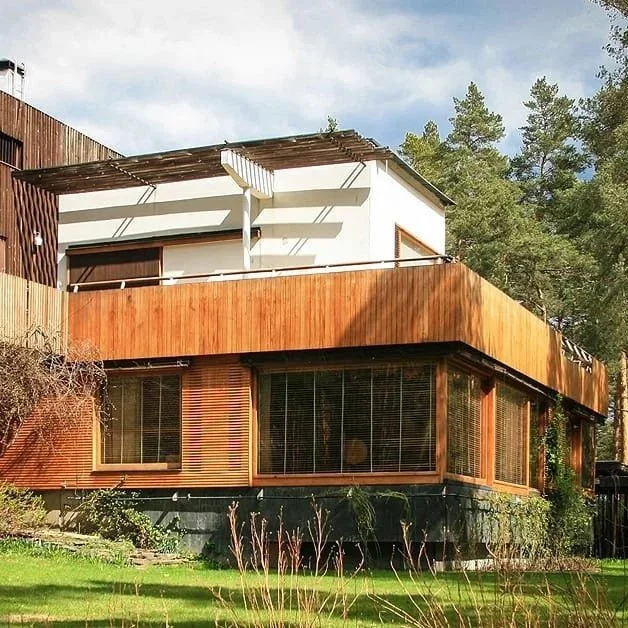
The Human Side: The Aaltos in Collaboration with Culture and History
Robert Cody AIA & Angela Amoia AIA
Architects, NYIT
By the time we meet, the decision on whether thirteen works by the Aaltos will be inscribed on the UNESCO World Heritage List will be known. Against this timely backdrop, the lecture will trace the creative partnership of Aino, Elissa, and Alvar Aalto, highlighting selected examples from the more than forty master-planning and urban-design projects developed by the Aalto office.
This presentation will begin with the places the Aaltos and their families called home, their personal interests, and the broader cultural context that shaped their work. Passages from Alvar Aalto’s early writings for his proposed publication The Human Side will introduce a central theme of the lecture: how the Aaltos extended architecture beyond the individual building to address environmental responsibility, social life, industry, and community. The talk will also uncover the essential collaborations with industrialists that enabled many of these ideas to be tested and realized.
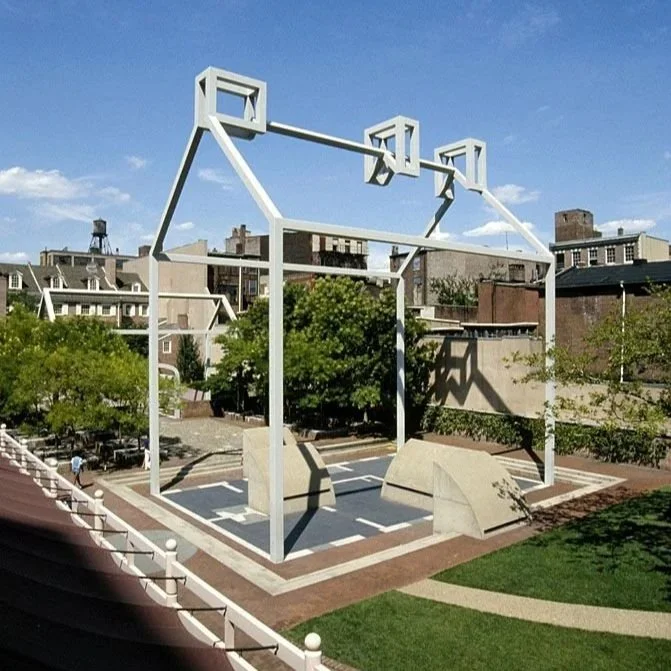
The Hounding of Architecture
Or the Significance in the Work and Ideas of
Denise Scott Brown and Robert Venturi
John DeFazio AIA
Architect, RFC, Drexel University, NYIT
Few architects raise the ire, admiration, or befuddlement of other architects more than the works and ideas of Denise Scott Brown and Robert Venturi. In the 60 years since Robert Venturi’s seminal Complexity and Contradiction in Architecture (1966), and followed just six years later with the even more infuriating (to some) Learning from Las Vegas (1972) by Venturi, Scott Brown, and their associate, Steven Izenour—their critical and unorthodox ideas upended the Modernist architectural discourse that had been evolving since the turn of the last century. It also sparked new Late-Modernist, Postmodernist, and Neo-Modernist debates about form, symbolism, tectonics, history, culture, and the very role of architecture and planning in society. Although the theoretical dust may have settled, the impact of their ideas and work not only opened debate, but also changed how we think about architecture and urban planning and who it is for.
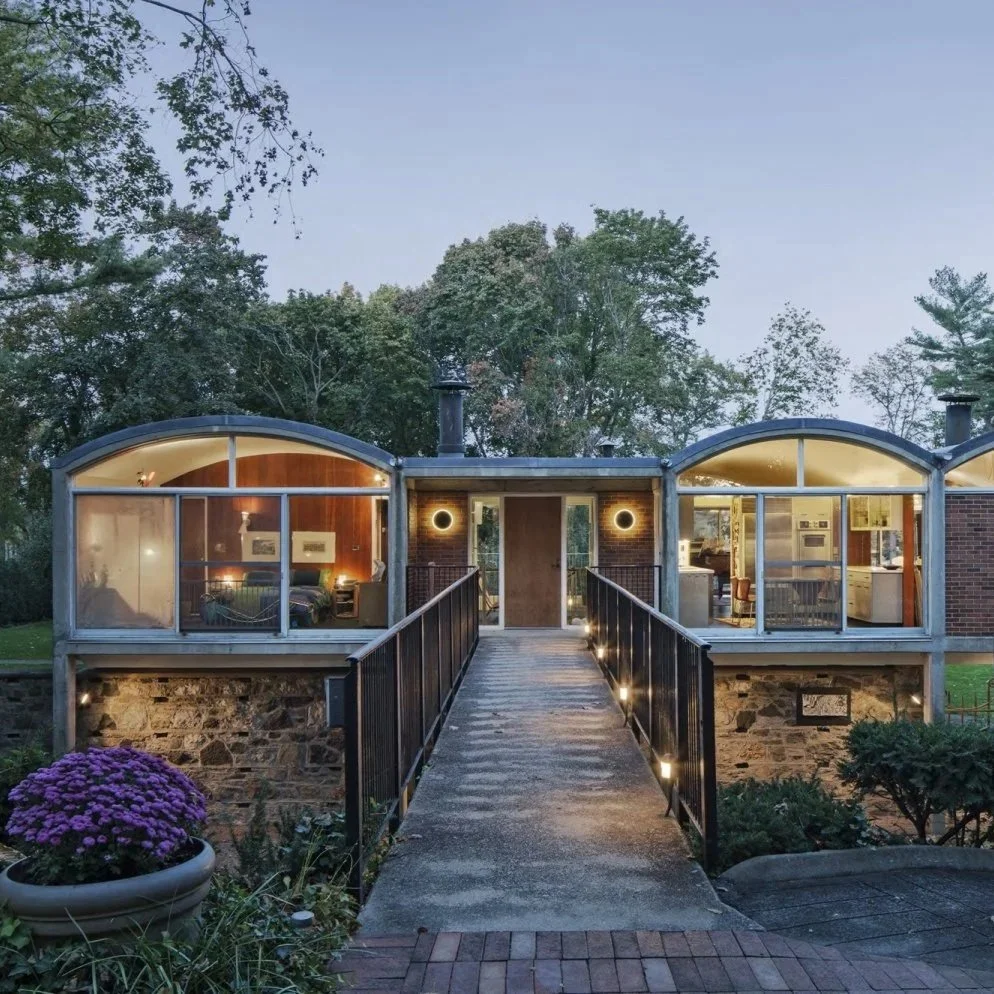
Correlations in Work and Life
Maria and Frederick Bentel 1957-2000
Carol Bentel FAIA & Paul Bentel FAIA
Bentel & Bentel Architects, NYIT
For over fifty years, Maria and Frederick Bentel collaborated in their work and personal lives. Over the course of their professional careers as architects, designers, planners and teachers, they helped to forge an identity to the regional built environment. To their peers and students, they presented themselves not only as consummate professionals but as working partners actively formulating and expressing shared values in their private and public lives.
In this presentation, Carol and Paul will pursue three parallel lines of inquiry. The first will be an examination of the couple’s work over the course of their careers, highlighting their design collaboration on significant buildings as well as the urban design and regional planning projects which are less well known. The second will be a reflection upon their family history and culture, working habits and shared life which permitted their collaboration in work and life to persist and flourish. Finally, we will consider the outcome of their collaboration in the work they produced, the students they inspired, the family they raised and the example they provide for work-life collaboration.
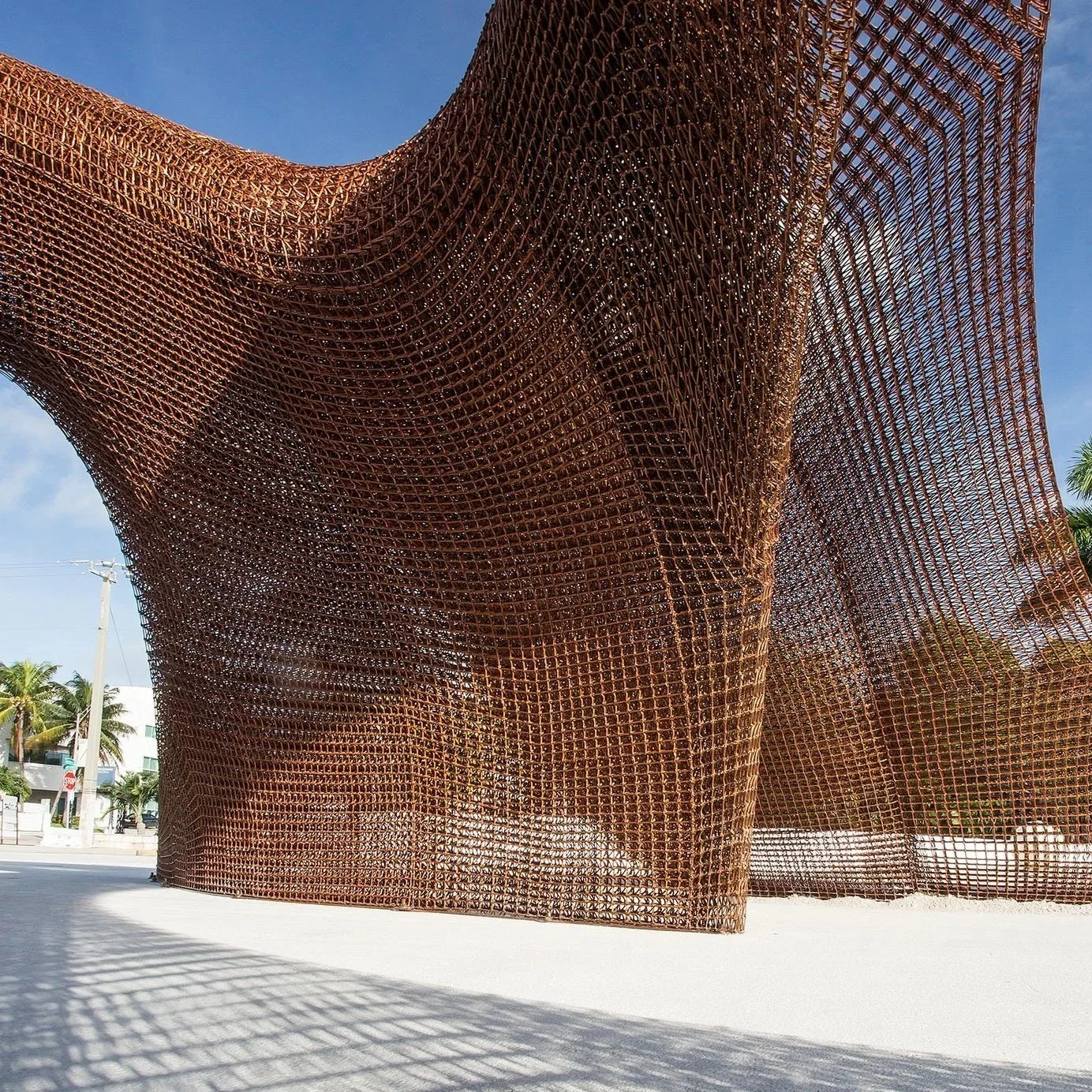
Metabolic Futures The Making of Architecture Through New Ecological Reciprocity
Anna Dyson, YCE+A & Christopher Sharples, AIA, SHoP
Anna Dyson and Christopher Sharples have inspired each other to cross over and incorporate prototypes and systems that dig deep into living-systems biochemical research at the Yale Center for Ecosystems + Architecture (Yale CEA) into the professional practice of SHoP Architects, aiming to drive a transformative shift toward a living, model-based built environment. By replacing inert construction components with active biological systems, this collaboration shifts traditional design boundaries from static enclosures to dynamic, breathing structures that can actively filter toxins, capture and purify water, produce energy, capture carbon, and adaptively optimize occupant wellness.
In this Lecture, Anna and Chris will share insights from their 26 years of collaboration, focusing on how they have exchanged research into circular, biogenic material systems and how they believe these systems will continue to influence architectural design and practice profoundly. Drawing upon examples of crossover between systems Research & Development and practice, such as the inclusion of innovative solar, water, and living systems technologies into projects such as the Botswana Innovation Hub and the Fashion Institute of Technology, they will discuss how practice and research can propel each other to innovate in ways that would be impossible without both arenas.
Speakers
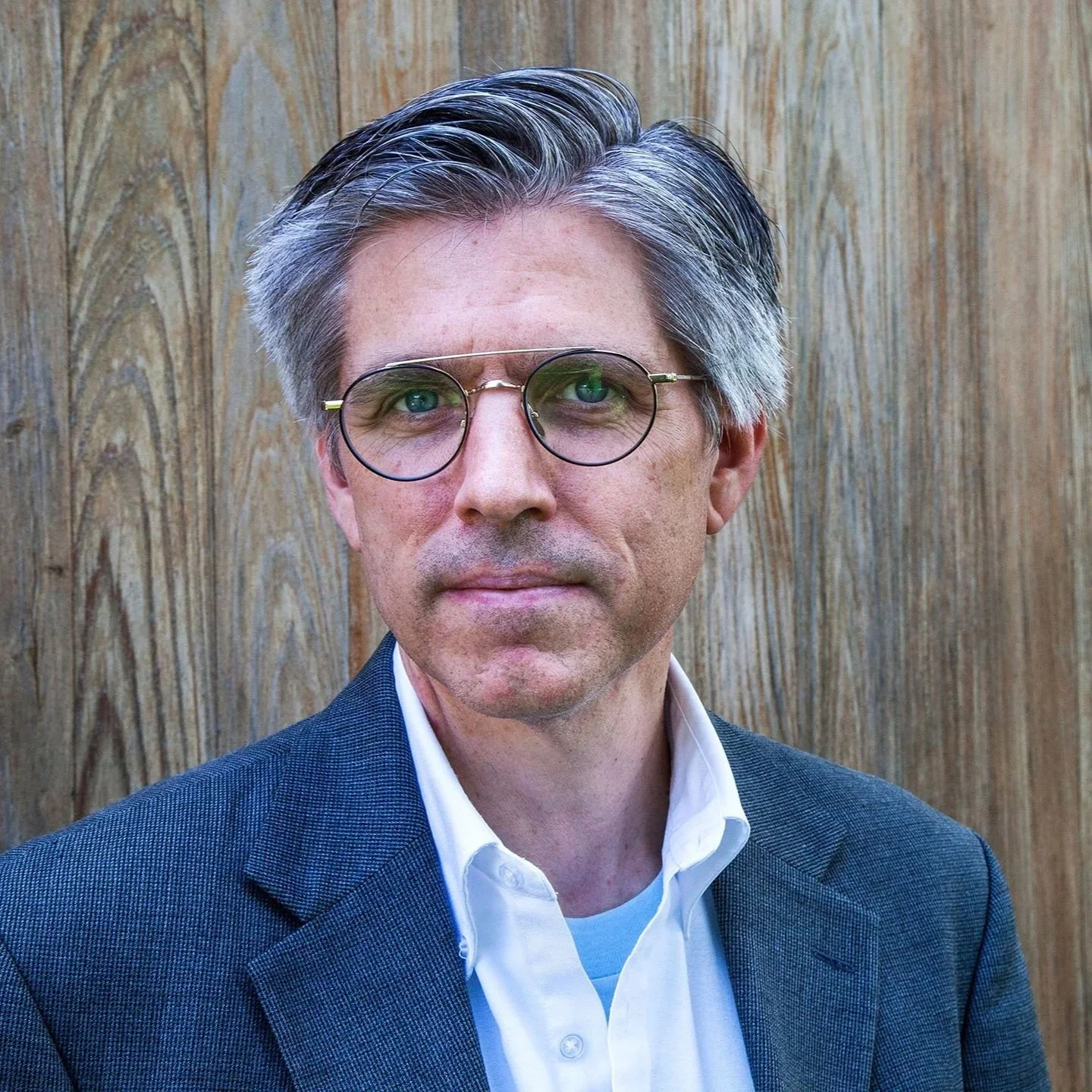
William Whitaker
William Whitaker is Director and Chief Curator of the Architectural Archives of the University of Pennsylvania Stuart Weitzman School of Design. He is coauthor (with George Marcus) of The Houses of Louis Kahn and Uncrating the Japanese House: Junzo Yoshimura, Antonin and Noemi Raymond, and George Nakashima (with Yuka Yokoyama). Trained as an architect at Penn and the University of New Mexico, Whitaker works closely with the archival collections of Louis I. Kahn, Lawrence Halprin, and the partnership of Robert Venturi and Denise Scott Brown, in support of teaching, scholarship, preservation, and public engagement.
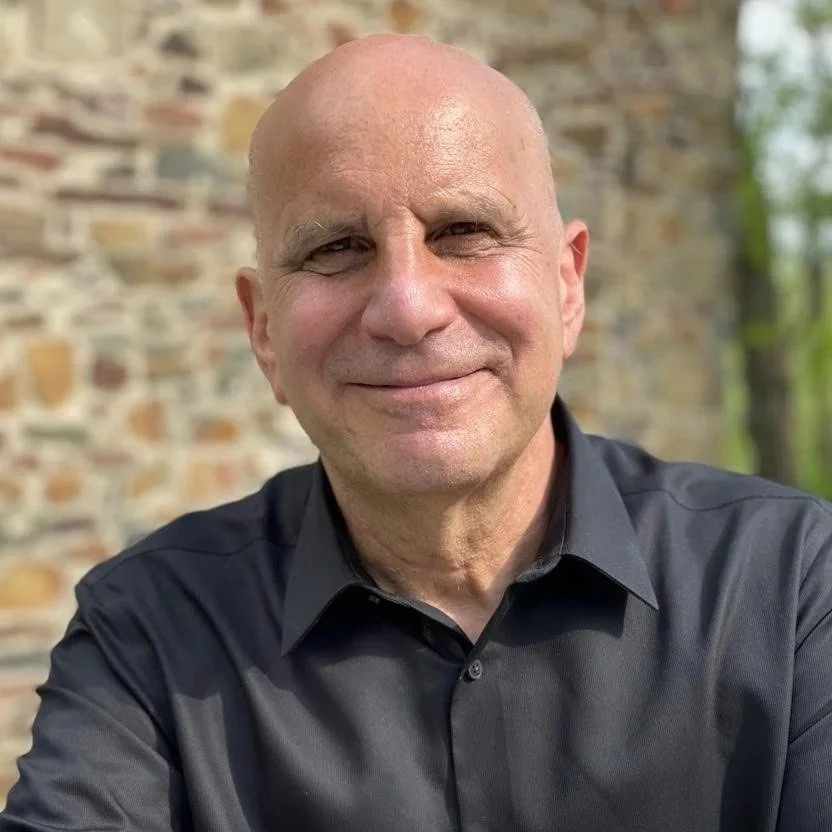
John DeFazio AIA
John DeFazio is an architect, writer, and teacher. DeFazio graduated from New York Institute of Technology, where he currently teaches undergraduate architectural studio. At NYIT, he taught graduate studio, thesis, ecological site design, integrative architectural design, and urban design in undergraduate studios. He is currently a senior project advisor at Drexel University, Westphal College. At Drexel, he has also taught modern architecture and contemporary art theories and history in art and architecture, and in the study-abroad program, traveling most recently to Japan and previously to the Netherlands and Barcelona. John has been teaching at Drexel University for over 34 years. DeFazio began his teaching career co-teaching the Graduate Thesis Studio with Steven Izenour at the University of Pennsylvania. He writes on contemporary art, architecture, and planning, and contributes to Art in America and Residential Design Magazine. In addition to his practice, John DeFazio is a founder and co-director of the Raymond Farm Center of Living Arts & Design.
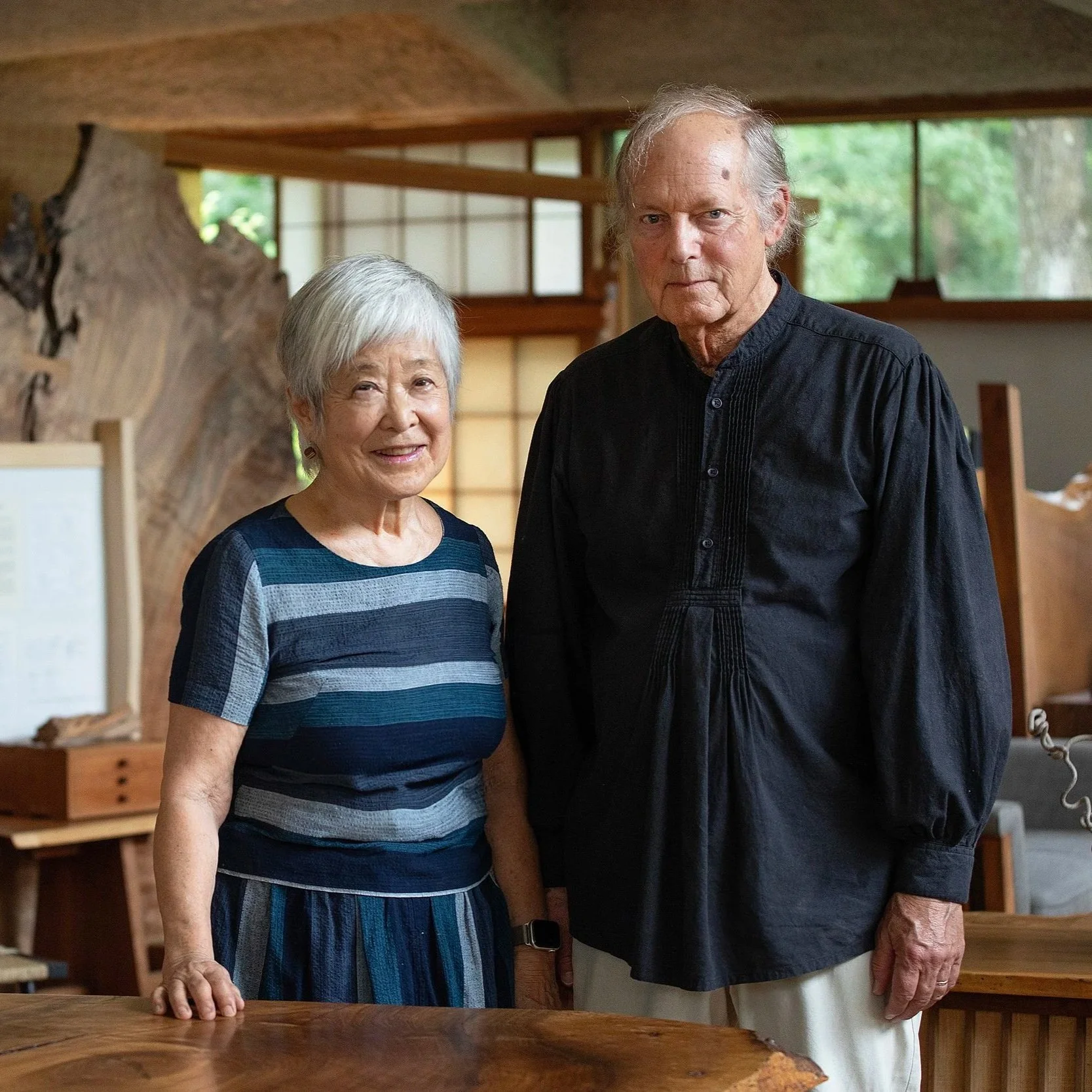
Mira Nakashima & Jonathan Yarnall
Born in Seattle in 1942, Mira Nakashima earned architecture degrees cum laude from Harvard University and Waseda University in Japan. Following graduate school, she joined her father, renowned wood craftsman George Nakashima, at Nakashima Studios. Since his passing in 1990, she has served as Vice President, Designer, and Shop Supervisor. Beyond preserving his legacy—including placing peace altars worldwide—she created her own distinct line, Keisho “continuation”, which advances the studio’s signature aesthetic with innovative angles, structural details, and high-profile custom commissions.
Introduced to George Nakashima by his father, an architect, Jonathan Yarnall joined Nakashima Woodworkers in 1974 following a Quaker education. Jonathan started in the Woodworkers' finishing department but quickly became an assistant to master carpenter Robert Lovett. Married to George’s daughter, Mira, Yarnall’s long tenure extends beyond master craftsmanship to embodying Nakashima’s core philosophy.
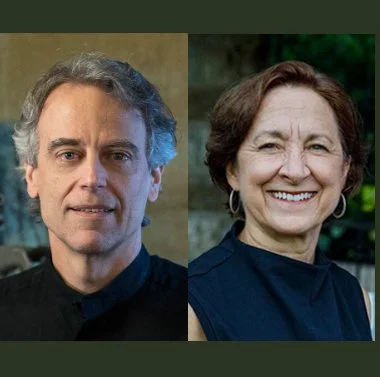
Carol Bentel FAIA & Paul Bentel FAIA
Dr. Carol Bentel FAIA FIIDA FASID CID is the Chair of School of Visual Arts BFA Interior Design: Built Environments Department and is a partner at Bentel & Bentel Architects, She received her Ph.D. at MIT. Her work in architecture spans from free standing academic buildings such as the Cor Jesu Classroom and Campus Plan in Saint Louis MO to the refined interiors for the restaurant group, Rouge Tomate. She is a Fellow of the AIA College of Fellows, Fellow of IIDA, Fulbright Scholar, American Academy in Rome Fellow, 2008 Chair of the AIA National Committee-on-Design.
Paul Bentel PhD, FAIA is principal at Bentel & Bentel Architects and adjunct Professor of Architecture at Columbia University’s Graduate School of Architecture Planning and Preservation where he has taught since 1992. His architectural work includes internationally recognized institutional and hospitality design projects. In 2024, the studio published a monograph of its work entitled Collaborations: Life + Work edited by John Morris Dixon. Over the years, he has authored books and articles on adaptive reuse, historic preservation and contemporary architecture.
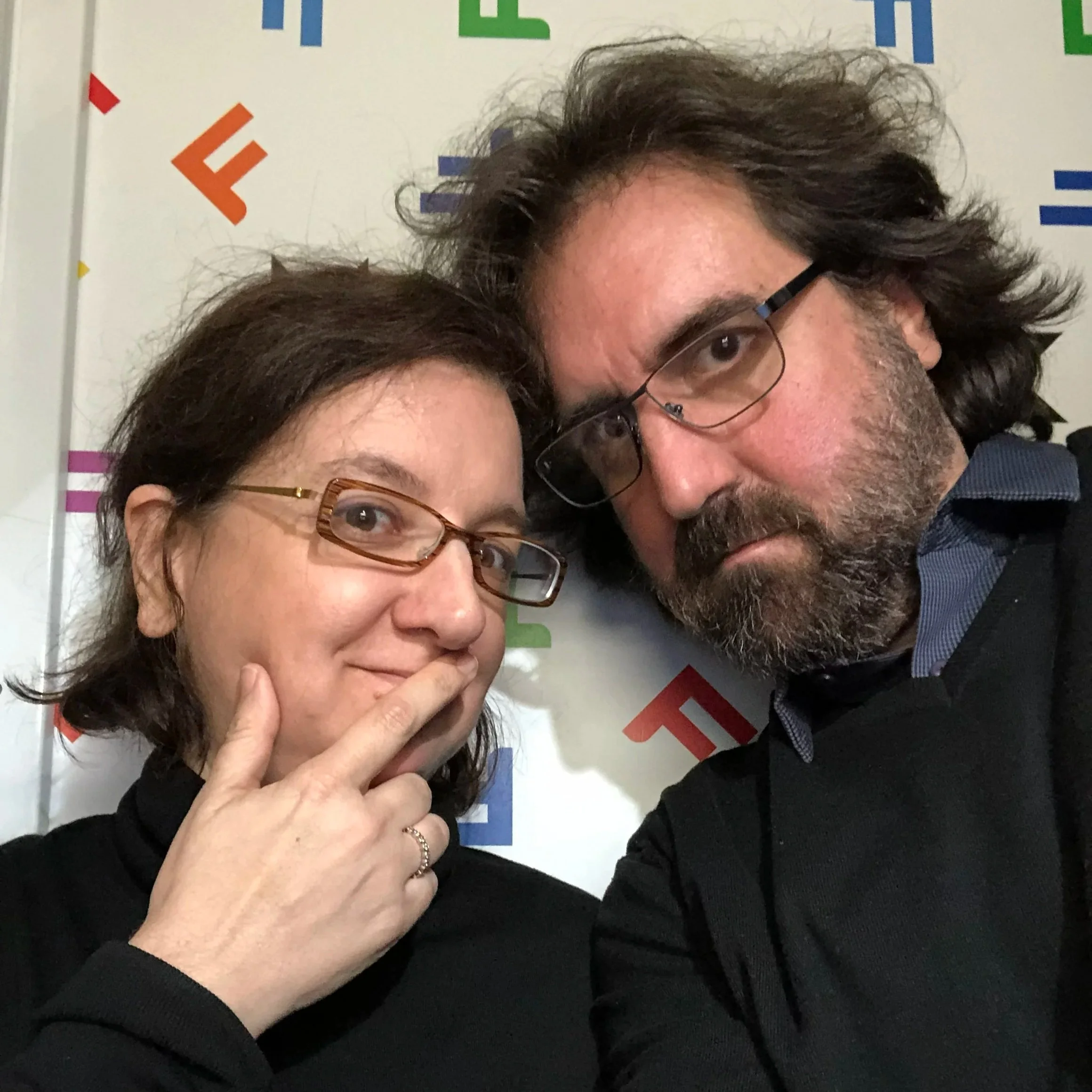
Robert Cody AIA & Angela Amoia AIA
Robert Cody is a registered architect in New York, a LEED Accredited Professional, and a member of the AIA and NCARB. He is a founding partner of Amoia Cody Architecture, established with Angela Amoia, and currently serves as Director of the Master of Architecture program at the New York Institute of Technology. Since joining NYIT in 2005, he has taught comprehensive and community design studios, building technology, architectural theory, and courses across all levels of the curriculum.
Angela Amoia is a partner at Amoia Cody Architecture and an Adjunct Associate Professor at NYIT’s School of Architecture and Design. She earned a Master of Science in Advanced Architectural Design from Columbia University, where she began her research on Alvar Aalto. Her teaching encompasses architectural history, theory, and design. In practice, she has served as project manager for a broad range of work, including skyscrapers, large-scale academic facilities, residential buildings, and adaptive-reuse projects at internationally and locally recognized New York City firms.
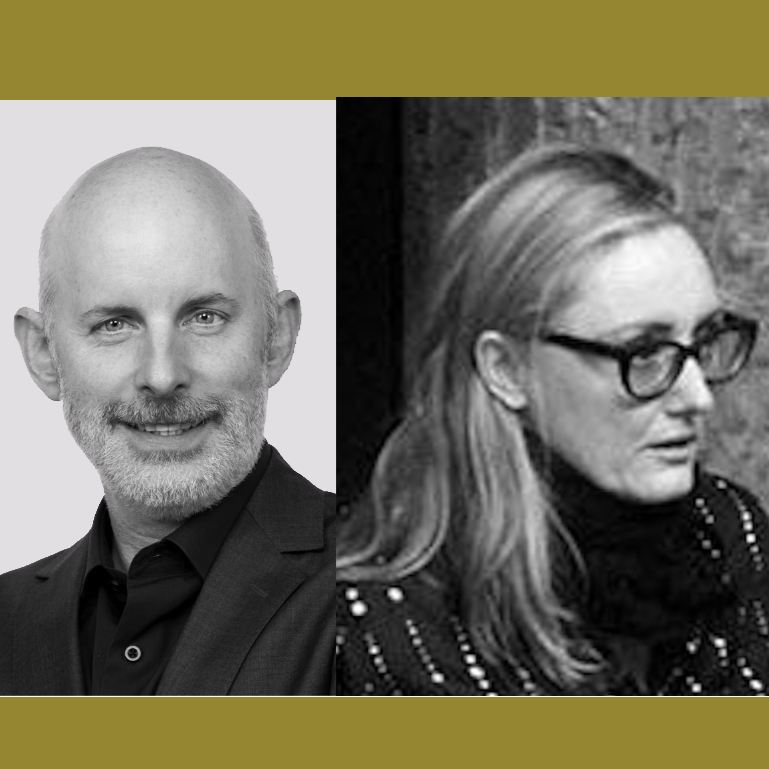
Anna Dyson, YCE+A & Christopher Sharples, AIA
Anna Dyson is the Hines Professor of Architecture at Yale’s Schools of Architecture and Environment, and Founding Director of the Yale Center for Ecosystems in Architecture (Yale CEA). She leads pioneering research on systems that metabolize energy, water, and materials within architecture. Co-founder of CASE, Dyson holds multiple international patents and created award-winning PhD programs recognized by ACADIA and USGBC. Recipient of Architectural Record’s Innovator Award, her NSF- and DOE-funded designs—including the UN-recognized Ecological Living Module—have earned top AIA honors and exhibited at MoMA.
Christopher Sharples is a founding principal of SHoP Architects, an award-winning New York firm recognized for merging design excellence with cutting-edge technology. A thought leader in digital fabrication, model-based delivery, and industrialized construction, he advocates for collaborative, regenerative architecture using bio-based materials, ethical sourcing, and methods like DfMA and off-site manufacturing. Holding a Master of Architecture from Columbia University, his portfolio features landmark projects including Brooklyn’s Barclays Center, 111 West 57th Street, Uber’s HQ, the Botswana Innovation Hub, and U.S. Embassies worldwide.
Schedule
Day 1 : COLLABORATIONS Symposium
9:00 am- 5:00 pm
Includes a light breakfast of coffee, fruit, and bagels, picnic family style lunch, and wine and cheese reception
Presenters (The actual order of presentations may vary from the schedule listed)
Antonin Raymond, Noémi Pernessin, and the Inside Story of Commission #1345— William Whitaker
The Unknown Craftsman of the Nakashima Woodworkers— Mira Nakashima & Jonathan Yarnall
The Human Side: The Aaltos in Collaboration with Culture and History — Robert Cody AIA & Angela Amoia AIA
The Hounding of Architecture Or the Significance in the Work and Ideas of Denise Scott Brown and Robert Venturi— John DeFazio AIA
Correlations in Work and Life Maria and Frederick Bentel 1957-2000— Carol Bentel FAIA & Paul Bentel FAIA
Metabolic Futures The Making of Architecture Through New Ecological Reciprocity—Anna Dyson & Christopher Sharples AIA
Panel Discussion & Q & A— Moderator: Caroline Rob Zeleski
7:00 pm-9:00 pm
Family Style Dinner with the Speakers and Panelists after Symposium (Additional Registration Required)
__________________________________________________
Day 2 : Historic Tours of the Raymond Farm Center and Nakashima Woodworkers Complex (Additional Registration Required)
10:00 am- 3:30 pm
10:00am- 12pm
Tour of the Raymond Farm Center for Living Arts and Design
12:00 pm- 1:00 pm
Picnic Family Style Lunch at the Raymond Farm Center
Drive to Nakashima Woodworkers
1:00pm- 3:00pm
Tour of Nakashima Woodworkers
Quisque iaculis facilisis lacinia. Mauris euismod pellentesque tellus sit amet mollis.